A focused furniture collection for the examination room.Beijing Enoch Corporation / sales@enochtec.com
 ENOCHTECREFRACTION
ENOCHTECREFRACTION
ENOCHTECREFRACTION
Combined refraction workstations — examination chair, instrument swing arm and instrument tabletop assembled as one unit.
A refraction unit brings the chair, the phoropter arm and the instrument tabletop into a single assembly, so the refraction sequence runs without moving the patient between stations. North American catalogues often list the same assembly as an ophthalmic chair and stand. The nine models below differ mainly in how much of that movement is powered, how the instrument surfaces are arranged, and how much floor area the unit needs. Catalogue figures are reproduced as published by the manufacturer.
Four practical questions usually decide which unit fits a room. Answer them first and the list below narrows quickly. If you are still weighing a combined unit against a separate chair and table, start with the selection guide.
Some units drive the chair, the swing arm and the tabletop independently; others power one axis and leave the rest manual. More powered axes shorten the sequence between instruments; fewer keep the unit simpler to service.
A single main tabletop suits one or two instruments in a fixed position. A main tabletop plus a rotating or sliding secondary surface lets a second instrument stay mounted without crowding the working area.
Published overall dimensions are for the unit at rest. A sliding tabletop or a reclining chair needs clearance beyond that figure, so the swept area matters more than the footprint in a narrow room.
Drawer sizes vary from a single wide front drawer to a column of smaller vertical drawers. Tell us which instruments will be mounted and we will check drawer clearance and cable routing against the drawing before quotation.
Every model uses its original manufacturer model number. Open a model for the full catalogue specification table, what is included in the furniture supply scope, and the source note behind each published figure.
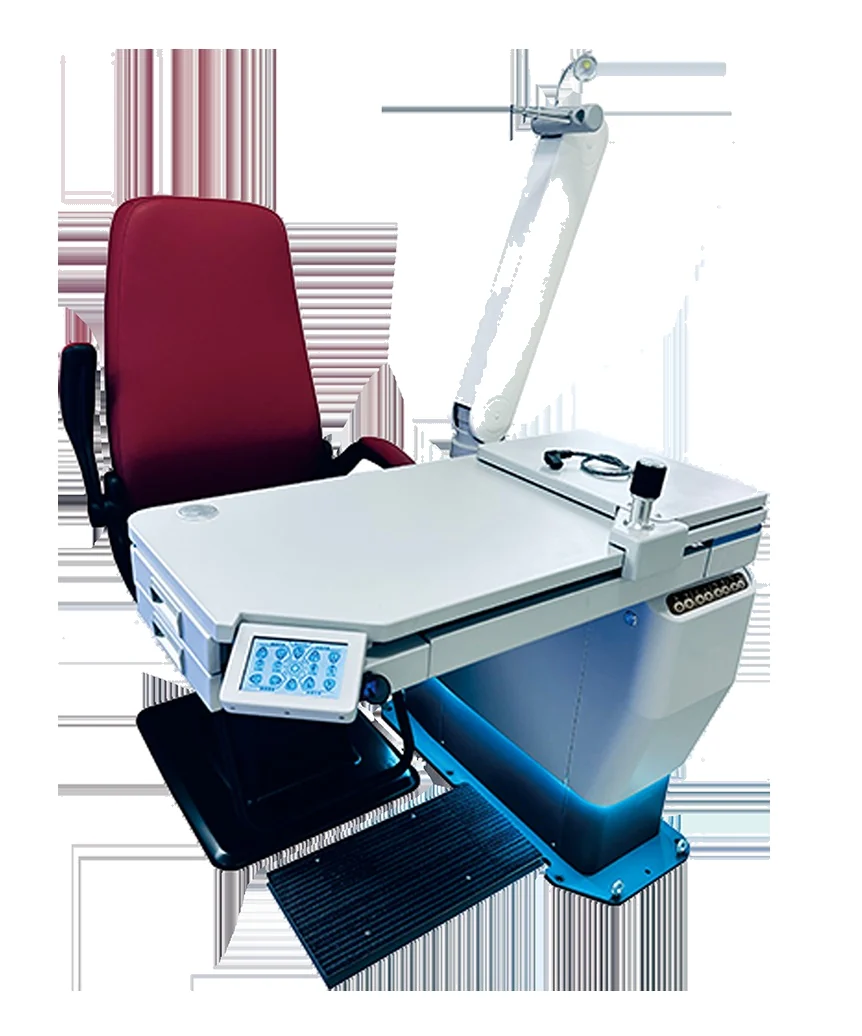
Touch control with four stored height positions
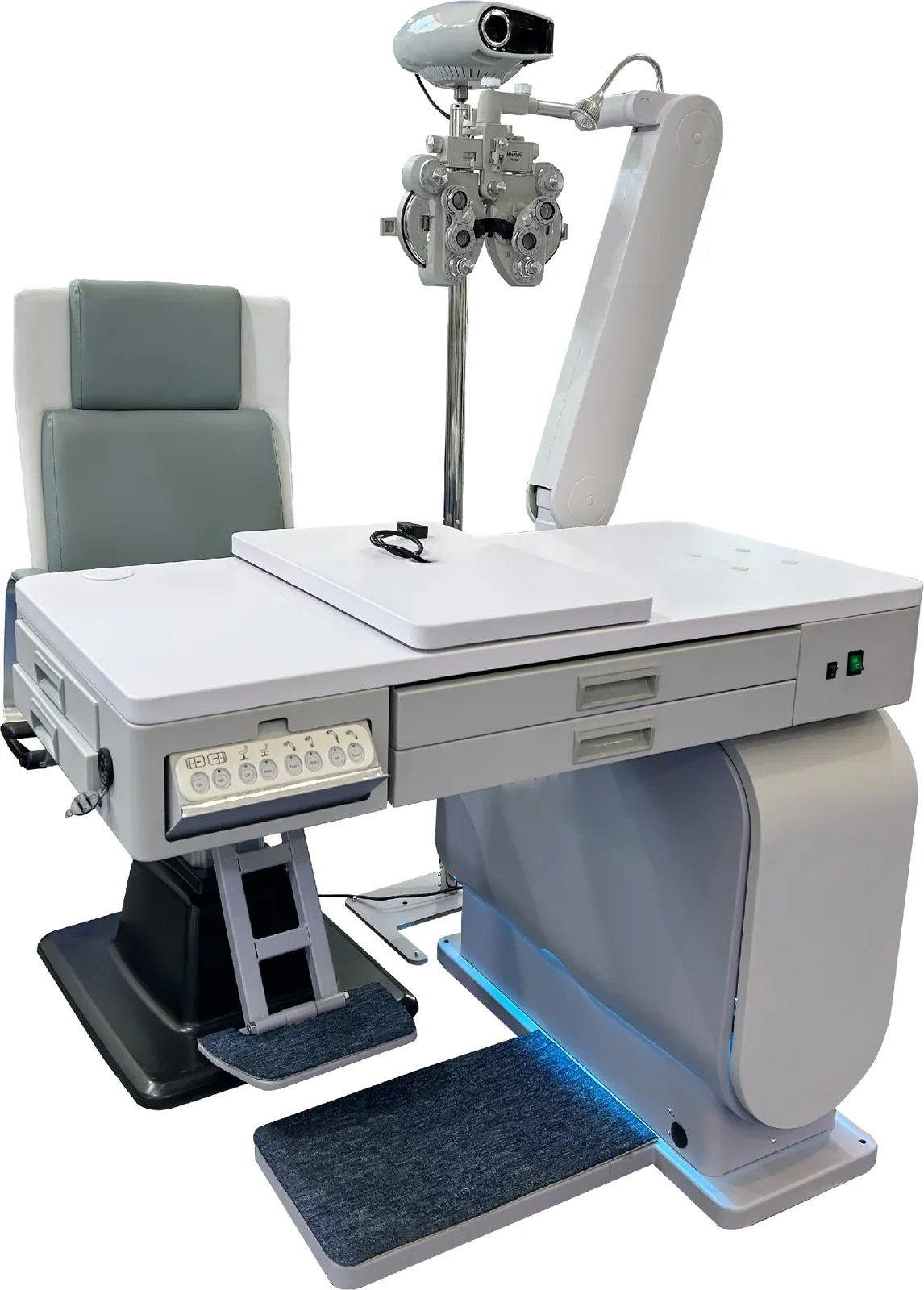
Powered instrument tray with fold-away controls
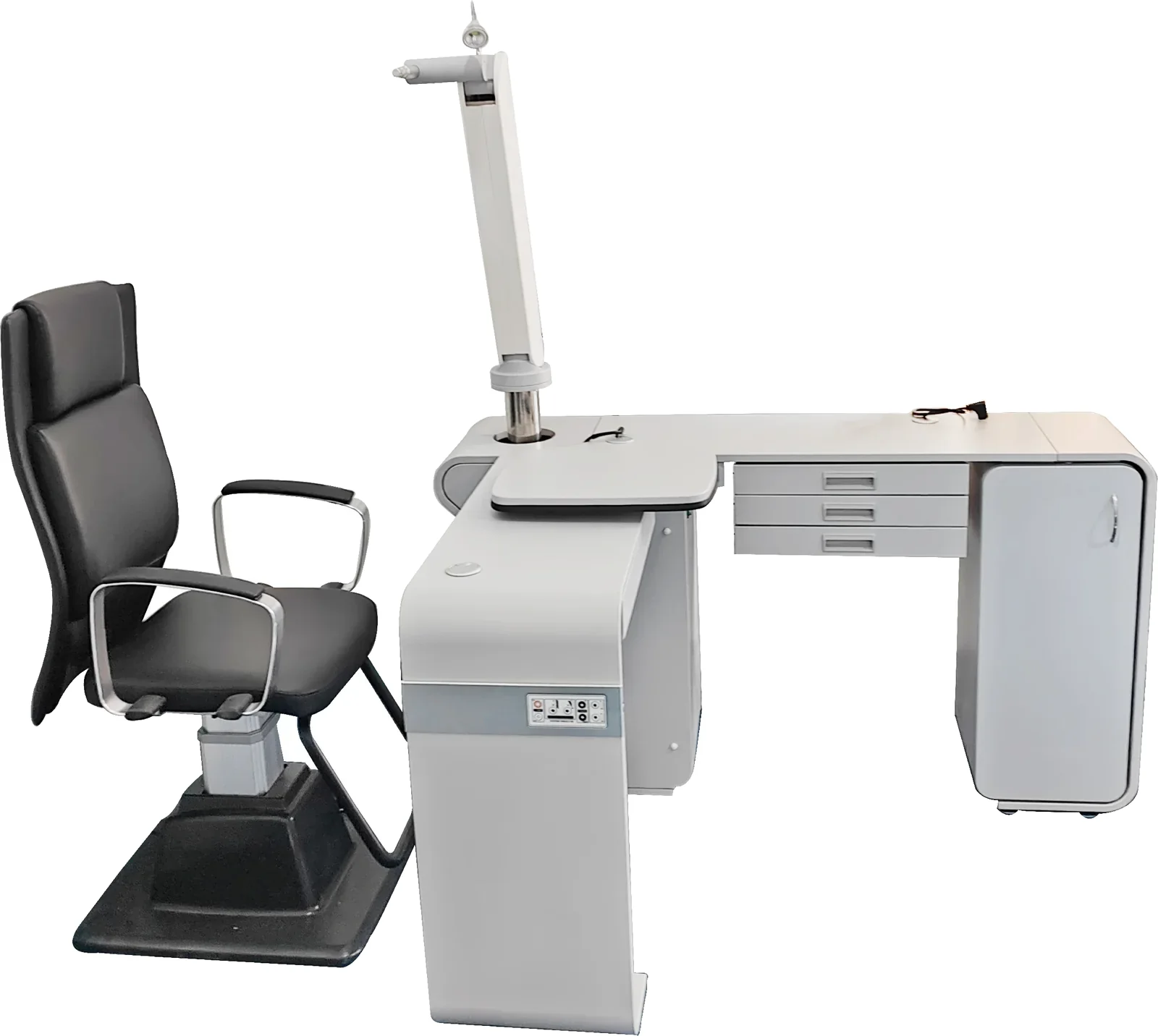
Side cabinet with rotating auxiliary surface
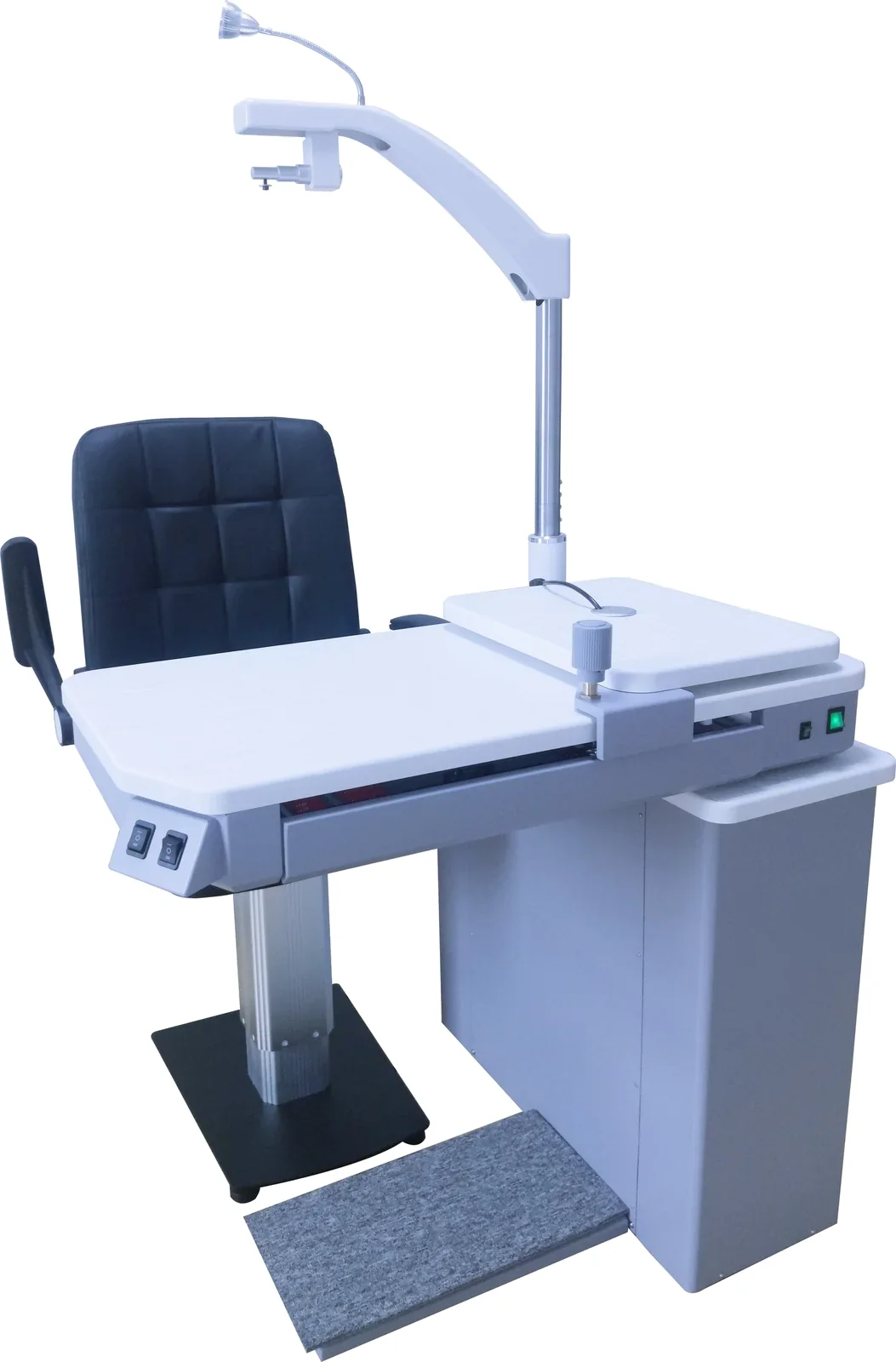
Compact cabinet unit with screw-lift swing arm
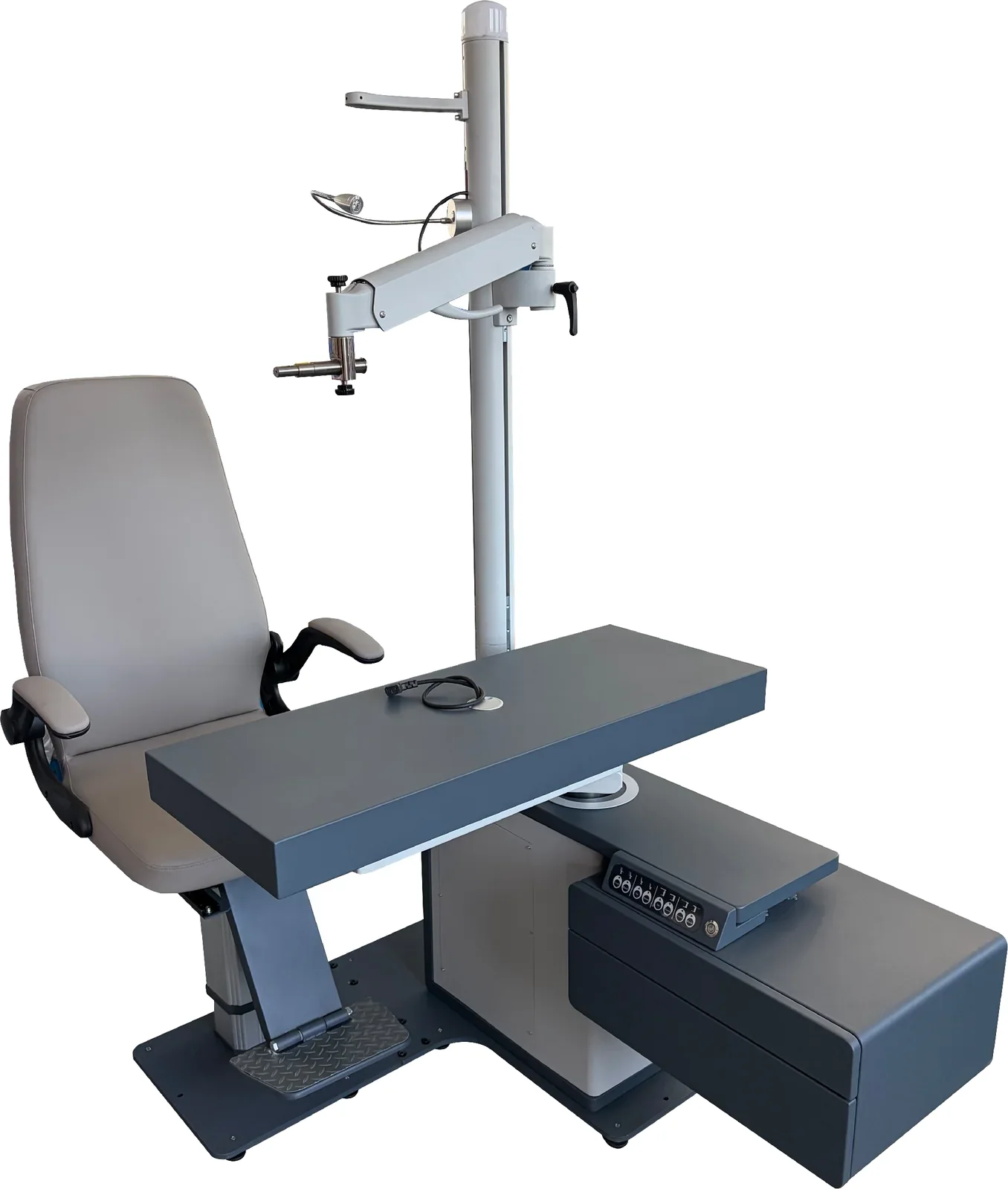
Two-instrument layout with powered sliding tabletop
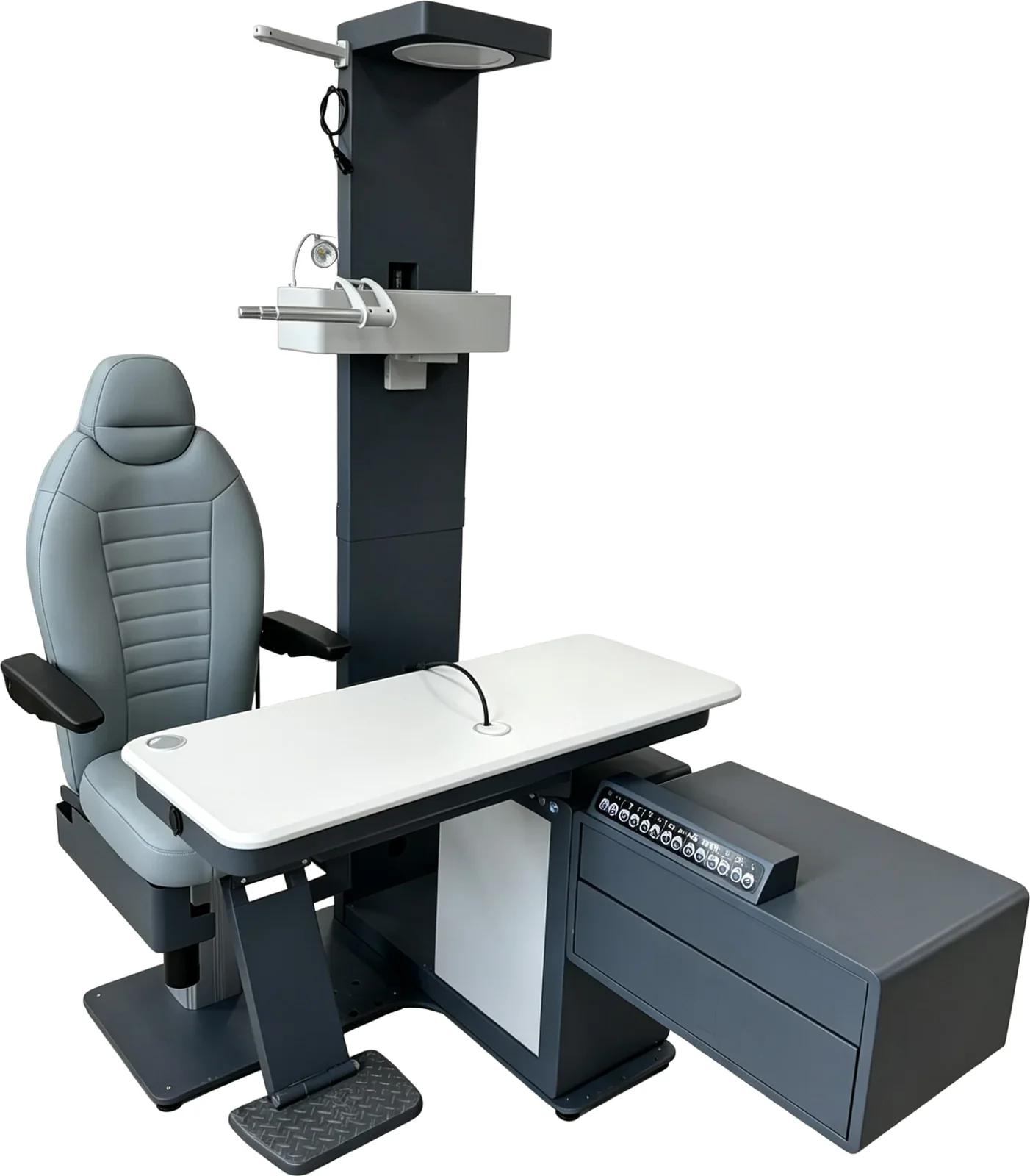
Two instrument positions with a reclining, sliding chair
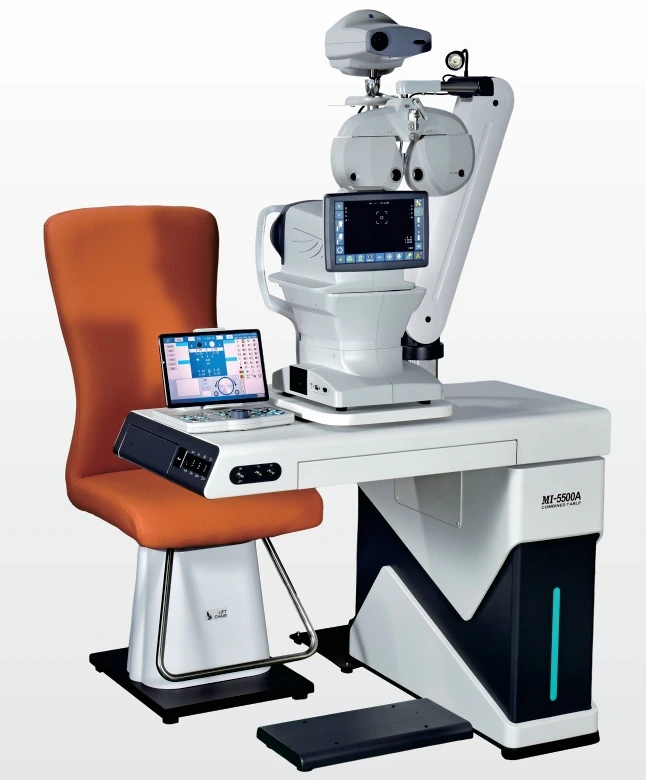
Metal body with ambient lighting
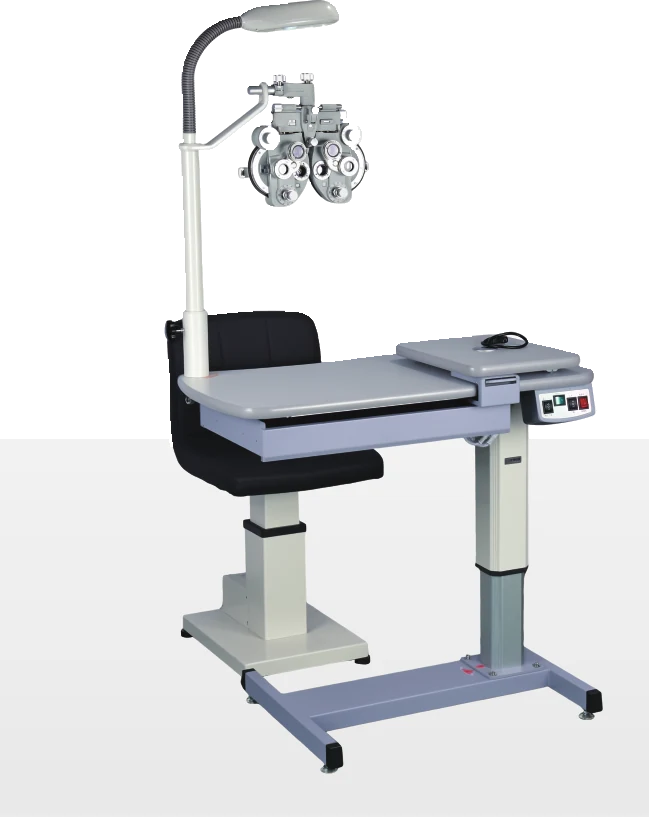
Open-frame workstation
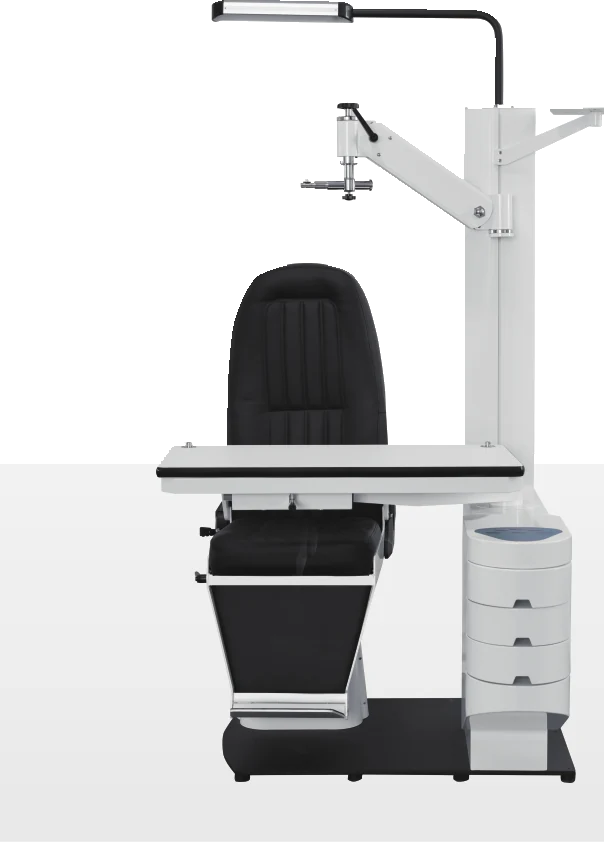
Tall column with vertical drawer storage
Figures below are the manufacturer catalogue values, reproduced without adjustment. A blank cell means the catalogue does not publish that figure for that model — we do not estimate it. Open a model for its full specification table and the source note behind each figure.
| Model | Main tabletop | Overall dimensions | Chair height | Drawer, internal | Power supply |
|---|---|---|---|---|---|
| C-10A | 1010 × 480 mm | 1050 × 1300 × 1550 mm | 500–680 mm | 530 × 380 × 65 mm | 220 V / 50 Hz |
| C-12 | 1070 × 490 mm | 1100 × 1300 × 1550 mm | 500–680 mm | 540 × 340 × 55 mm | 220 V / 50 Hz |
| C-800 | — | 2100 × 1200 × 1700 mm | 500–680 mm | 550 × 330 × 50 mm | 220 V / 50 Hz |
| C-3 | 900 × 460 mm | 940 × 800 × 1850 mm | 500–680 mm | — | 220 V / 50 Hz |
| HRT-1A | 965 × 385 mm | (1470–1620) × (1020–1360) × 1900 mm | 550–650 mm | 480 × 350 × 60 (125) mm | 220 V / 50 Hz |
| HRT-3 | 985 × 410 mm | 1650 × 1050 × 1900 mm (tabletop not extended) | 550–650 mm | 495 × 360 × 80 mm | 220 V / 50 Hz |
| MI-5500A | 1070 × 500 mm | 1190 × 1300 × 1750 mm (catalogue field: Space Dimensions) | — | 540 × 390 × 60 mm; small drawer 250 × 180 × 70 mm | 220 V / 50 Hz |
| MI-180 | 900 × 500 mm | 900 × 1000 × 1700 mm (catalogue field: Space Dimensions) | — | 545 × 370 × 50 mm | 220 V / 50 Hz |
| TG-1010 | 890 × 430 mm | — | — | 190 × 245 × 75 mm | 220 V / 50 Hz |
Scroll the table sideways on a narrow screen.
Diagnostic instruments shown in product photography — phoropters, chart projectors, autorefractors, slit lamps — illustrate use and are not part of the furniture supply scope unless a quotation states otherwise.
Standard and optional items, plug type and voltage version are confirmed against the quotation for each order. Standard warranty is 12 months from delivery. Within that period ENOCH supplies the replacement parts needed for any fault not caused by misuse or accidental damage.
Prices are not published. Send the room dimensions and the instruments to be mounted and we will come back with a configuration and a quotation.
A refraction unit is a single powered workstation that carries the refraction instruments and the patient chair on one frame, so the examination sequence happens without moving the patient between stations. The unit supplies the tabletop, column, powered lift, instrument arm, lighting and chair. The diagnostic instruments themselves are separate.
Across these nine models the published space figures run from 940 × 800 mm (C-3) to 2100 × 1200 mm (C-800), with overall heights of 1550–1900 mm. HRT-1A is published as a range, (1470–1620) × (1020–1360) mm, because its tabletop extends. TG-1010 is left blank: the catalogue gives 233 cm in the parameter table and 223 cm in the dimension drawing, and we do not publish a figure the manufacturer contradicts.
No. Phoropters, chart projectors, autorefractors and slit lamps shown in product photography illustrate use and are not part of the furniture supply scope unless a quotation states otherwise. Tell us which instruments you intend to mount and the fit is checked against the drawing before quoting.
All nine are listed at 220 V / 50 Hz. Voltage and plug version are confirmed against the quotation for each order — tell us the destination country and the unit is specified accordingly.
Where the manufacturer publishes a figure, the tabletop adjusts within 660–870 mm and the chair seat within 500–680 mm. The exact range for each model is in the specification table above; blank cells mean the catalogue does not publish that figure.
We work directly with the manufacturers behind these models. Send the room dimensions, the instruments to be mounted and the destination market, and we will come back with a configuration, lead time and quotation.