A focused furniture collection for the examination room.Beijing Enoch Corporation / sales@enochtec.com
 ENOCHTECREFRACTION
ENOCHTECREFRACTION
ENOCHTECREFRACTION
Patient examination chairs and a practitioner stool, supplied alongside the refraction units and instrument tables.
These are the seats that sit outside the refraction unit: a patient chair for examination and minor-procedure positions, and a practitioner stool for the examiner. Seat height range is the figure that decides whether a chair works with a given instrument table, so it is published for every model in the line.
Seating is usually specified last and is the easiest thing to get wrong. Three points decide it. The selection guide covers how seating fits the rest of the room.
The patient chair positions the person being examined and is sized for reclining and transfer. The practitioner stool is sized for the examiner at the instrument. They are not interchangeable, and most rooms need both.
The chair must reach the working height of the instrument it faces. Compare the chair height range here with the tabletop height range on the instrument table page before fixing either.
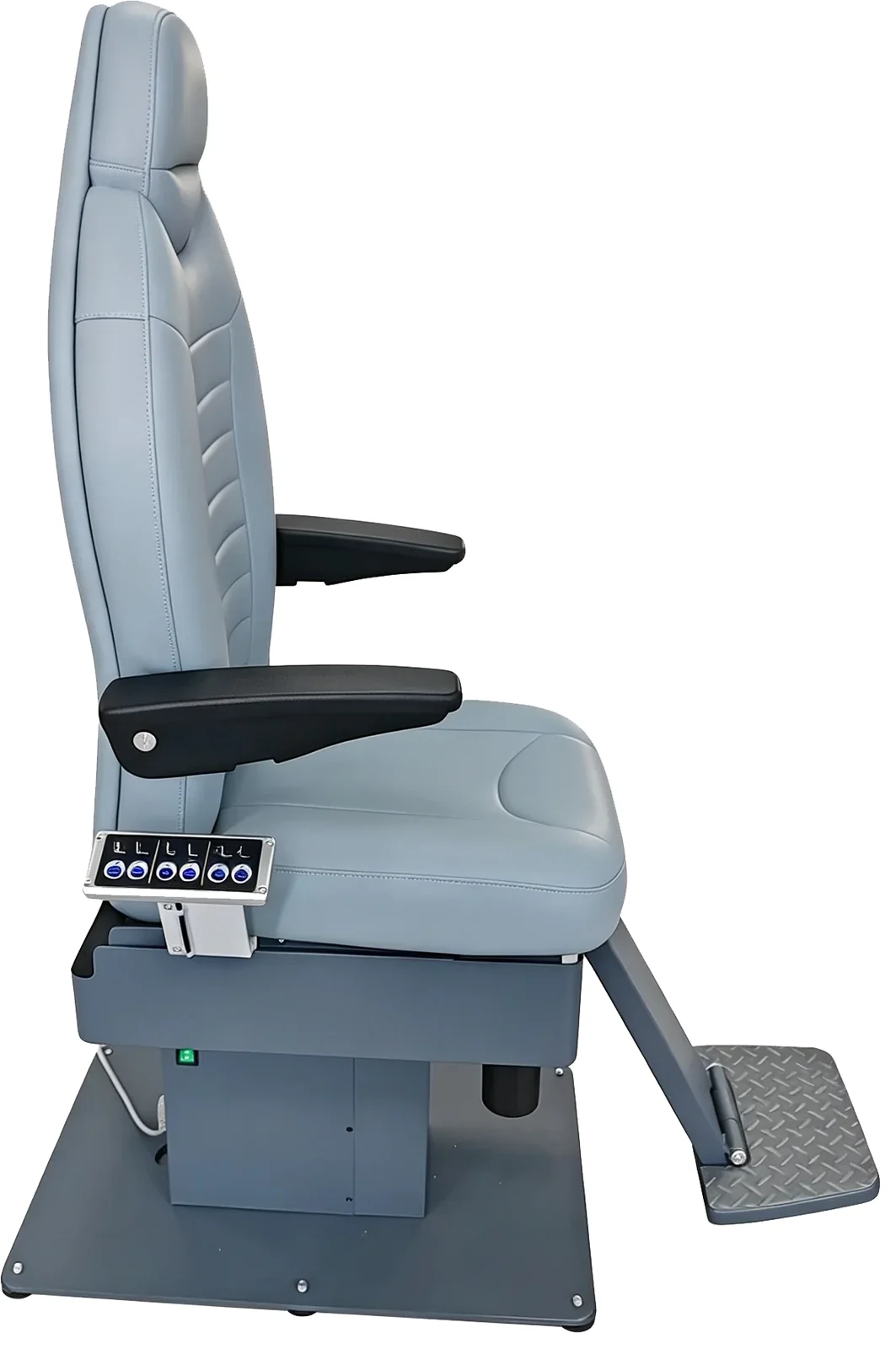
One model reclines and travels front-to-rear, which changes the clearance the room must leave behind and in front of the chair. Check the swept area, not the standing footprint.
Every model uses its original manufacturer model number. Open a model for the full catalogue specification table, what is included in the furniture supply scope, and the source note behind each published figure.
Reclining chair with front-to-rear travel
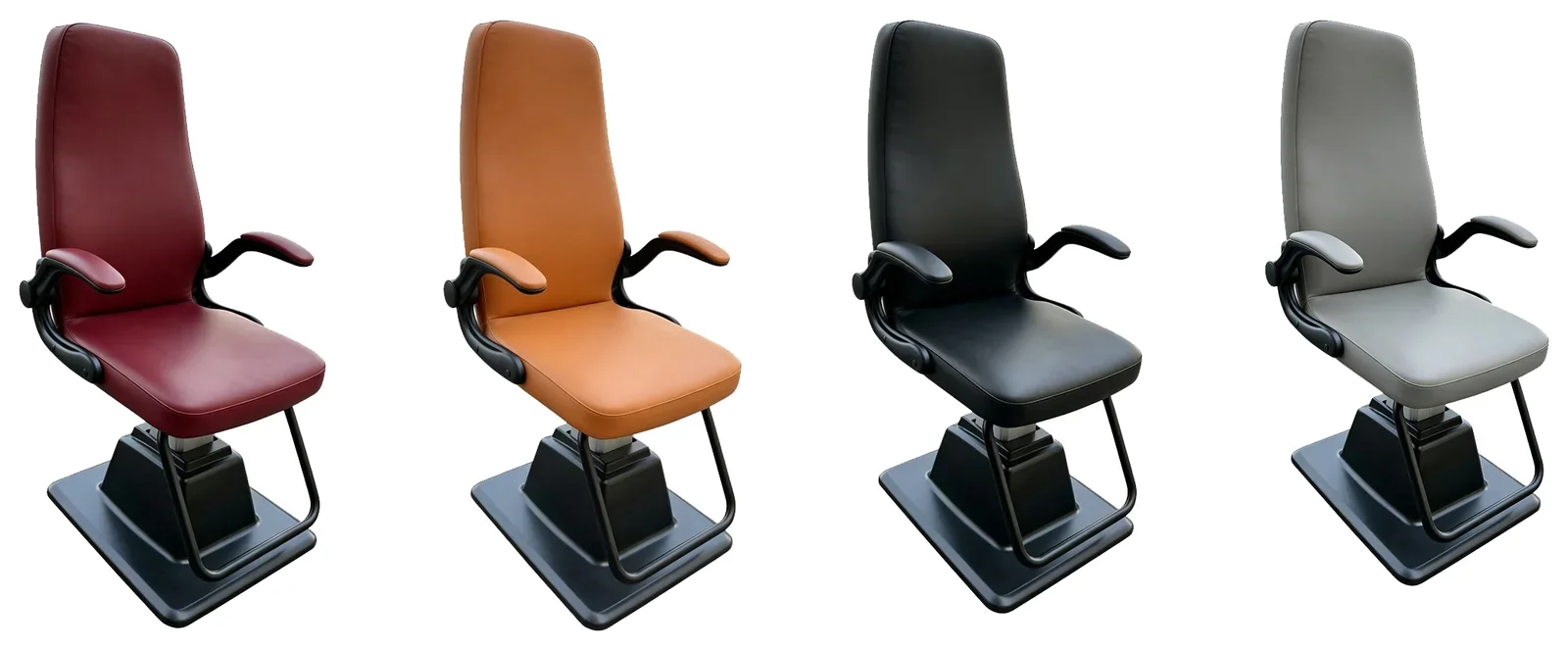
Powered lift patient chair
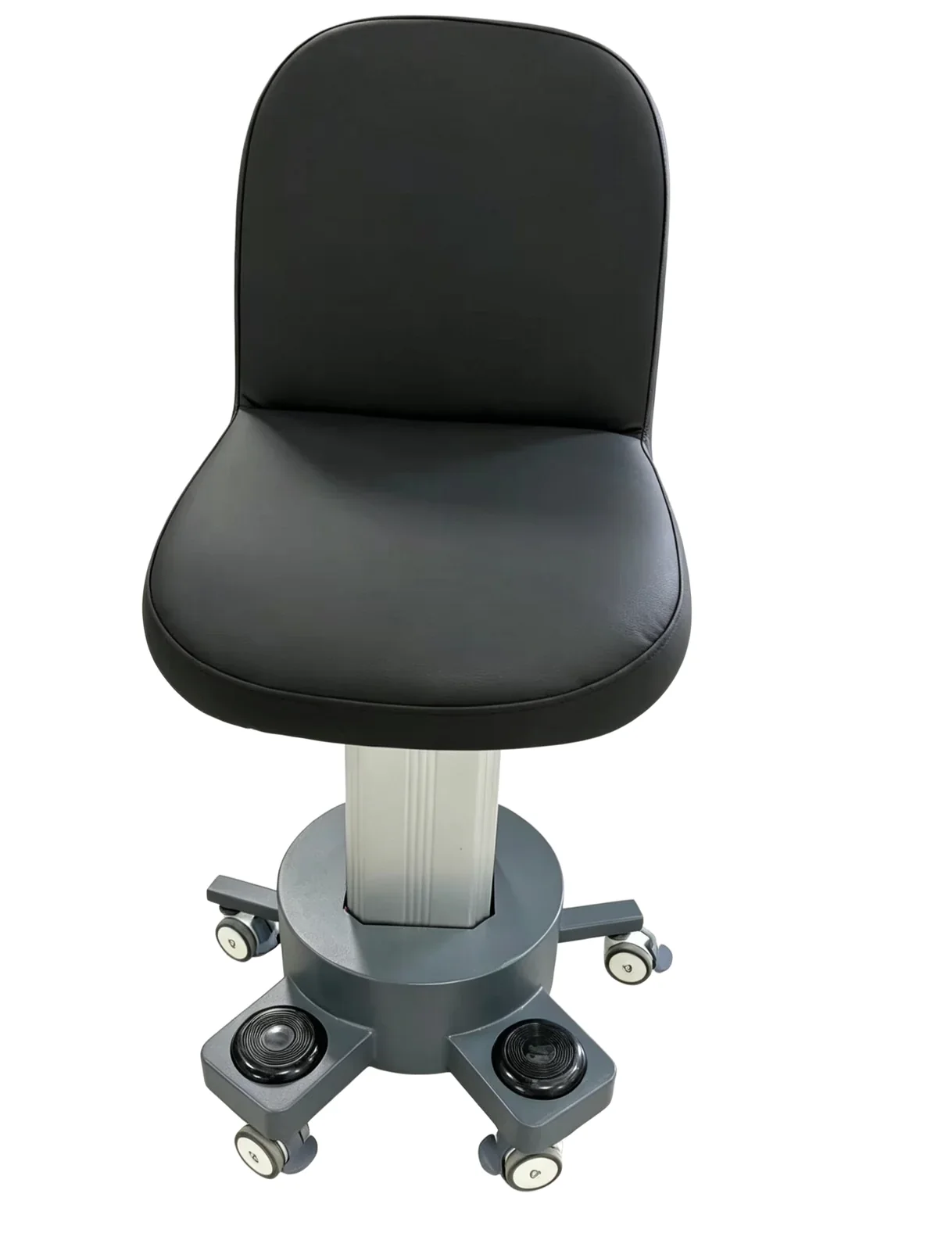
Practitioner stool for the optometrist
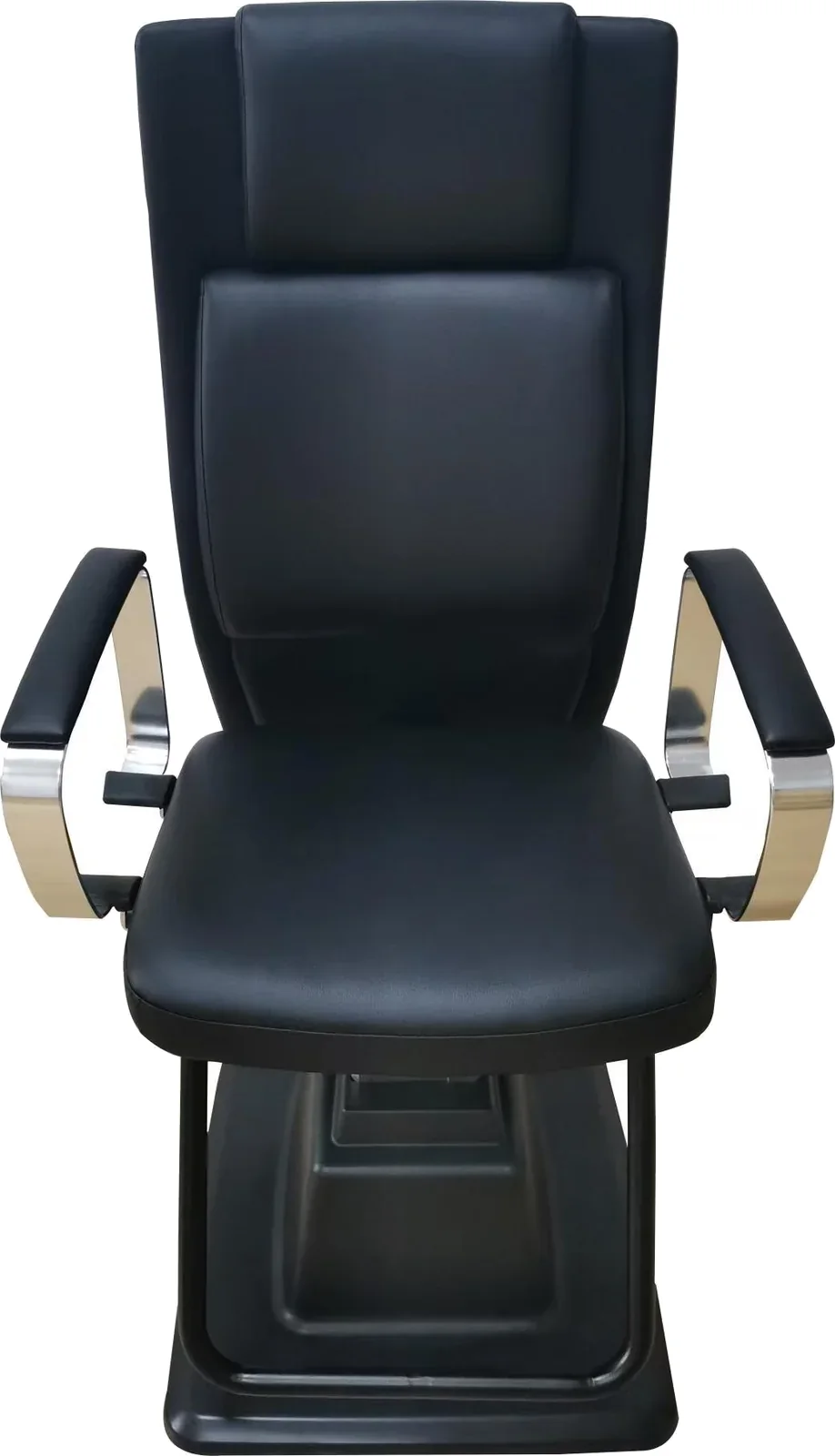
Powered lift patient chair
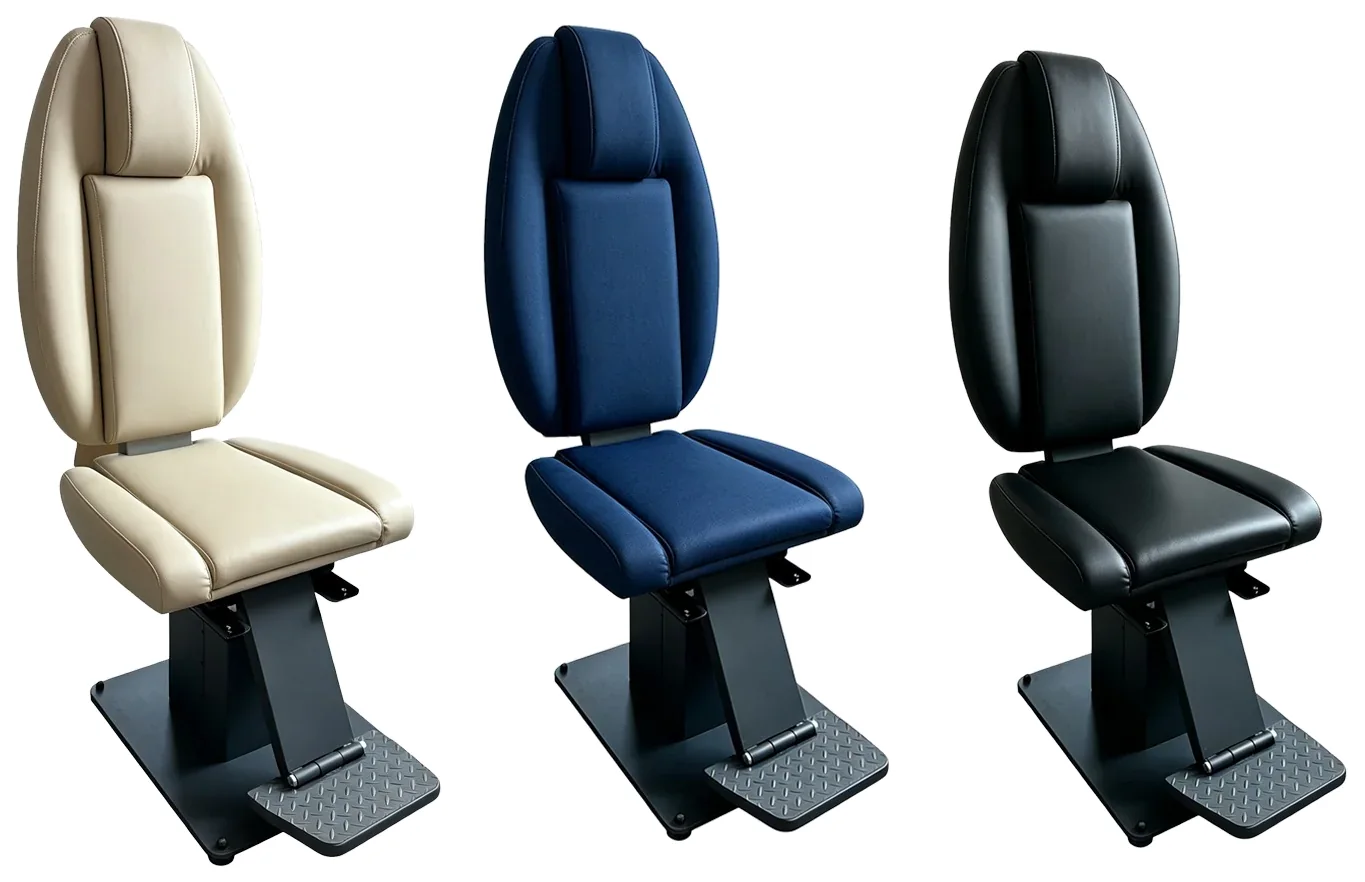
Powered lift patient chair
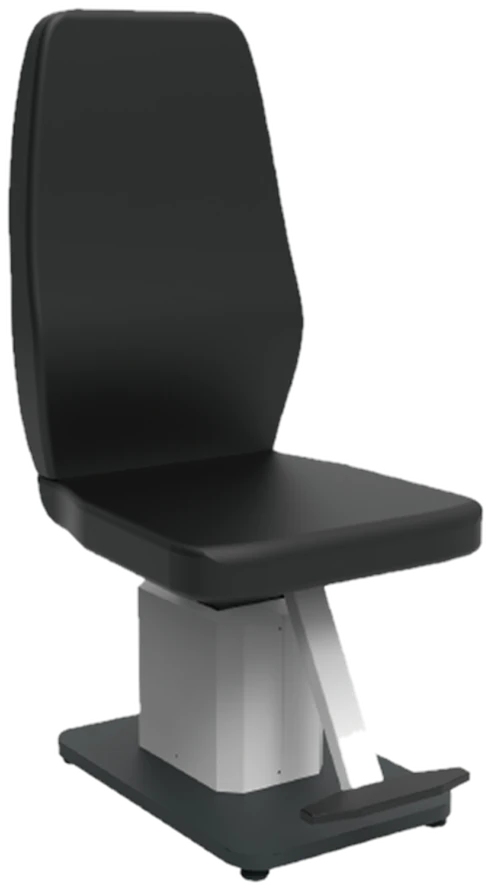
Powered lift patient chair
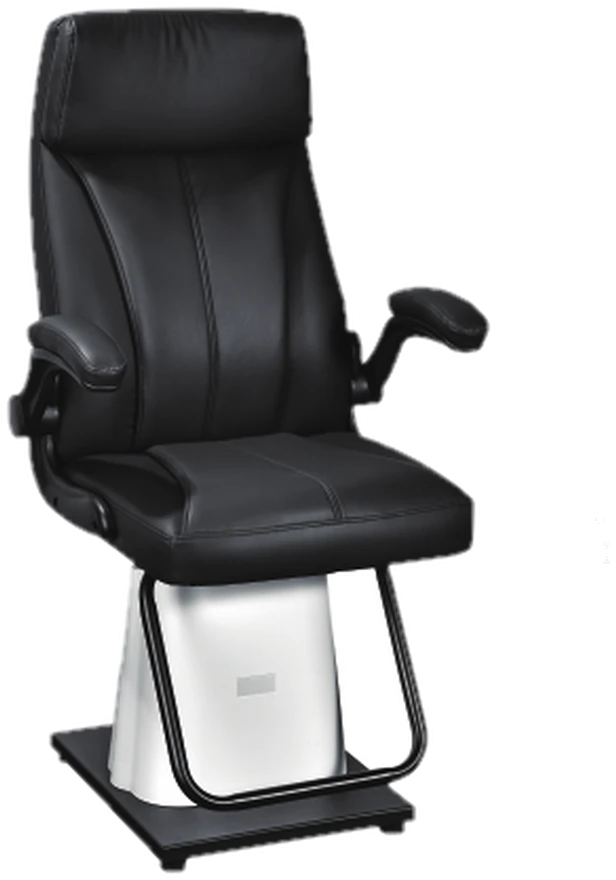
Powered lift patient chair
Figures below are the manufacturer catalogue values, reproduced without adjustment. A blank cell means the catalogue does not publish that figure for that model — we do not estimate it.
| Model | Overall dimensions | Seat height | Seat cushion width | Catalogue colours |
|---|---|---|---|---|
| CH-3 | 1640 × 590 × (1238–1380) mm | 490–590 mm | 430 mm | Blue, black |
| CH-10A | 650 × 650 × (1240–1420) mm | 500–680 mm | 500 mm | Red, orange, black, beige-grey |
| CH-8 | 880 × 620 × (1170–1350) mm | 500–680 mm | 500 mm | Black, beige, blue/white |
| CH-AST | 650 × 550 × (1200–1300) mm | 500–600 mm | 550 mm | Beige, blue, black |
| MC-N | Chair height 1240–1390 mm | 500–650 mm | 520 mm | Black, orange |
| PK-310A | 690 × 550 × 1320 mm | — | — | Black, blue |
| CH-1 | 480 × 480 × (1170–1350) mm | 450–550 mm | — | — |
Scroll the table sideways on a narrow screen.
Diagnostic instruments shown in product photography — phoropters, chart projectors, autorefractors, slit lamps — illustrate use and are not part of the furniture supply scope unless a quotation states otherwise.
Standard and optional items, plug type and voltage version are confirmed against the quotation for each order. Standard warranty is 12 months from delivery. Within that period ENOCH supplies the replacement parts needed for any fault not caused by misuse or accidental damage.
Prices are not published. Send the room dimensions and the instruments to be mounted and we will come back with a configuration and a quotation.
CH-10A, CH-3, CH-8, CH-AST, MC-N and PK-310A are patient chairs. CH-1 is the practitioner stool for the optometrist. All of them except PK-310A publish a seat-height adjustment range, and CH-1 is additionally listed with a 5.2 Ah battery.
CH-10A 500–680 mm, CH-3 490–590 mm, CH-1 450–550 mm.
CH-10A 650 × 650 × (1240–1420) mm. CH-3 1640 × 590 × (1238–1380) mm. CH-1 480 × 480 × (1170–1350) mm. CH-3 is a reclining chair with front-to-rear travel.
CH-10A is shown in four colours — red, orange, black and beige-grey. CH-3 is listed in blue and black. The catalogue does not publish a colour list for CH-1. Colour is confirmed on the quotation.
CH-10A 500 mm and CH-3 430 mm. The figure is not published for CH-1.
We work directly with the manufacturers behind these models. Send the room dimensions, the instruments to be mounted and the destination market, and we will come back with a configuration, lead time and quotation.